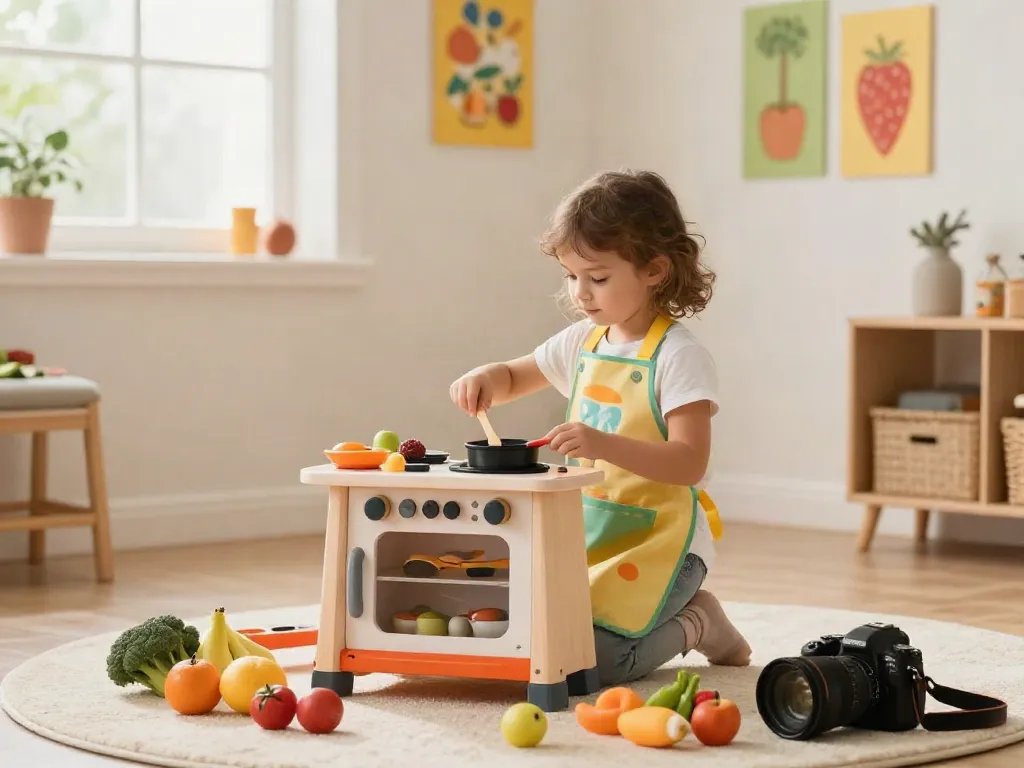
Understanding the Benefits of a Toy Kitchen
A toy kitchen represents much more than just a plaything; it serves as a gateway to imaginative worlds where children can explore their creativity, develop vital skills, and learn about social interactions. By engaging in pretend cooking and meal-serving tasks, children not only enjoy hours of fun but also cultivate essential life skills. When exploring options, toy kitchen sets can provide comprehensive insights into how these playful tools can significantly enhance a child's early learning experiences.
Why Every Child Should Have a Toy Kitchen?
Toy kitchens are incredibly versatile tools in fostering your child’s development. They allow for role-playing, which encourages children to imitate adults and enhance their understanding of daily routines. Additionally, these kitchens can spark a love for cooking, promoting healthy eating habits and curiosity about food. Most importantly, they provide a safe environment for children to express themselves and engage in social play with peers or family members.
Top Skills Developed Through Play Cooking
- Creativity: Toy kitchens allow children to create their own dishes, fostering imagination and originality.
- Social Skills: Playing together in a kitchen setting helps develop communication and cooperation skills.
- Motor Skills: Manipulating small utensils and food items enhances fine motor skills and hand-eye coordination.
- Cognitive Development: Following recipes or devising new ones helps children learn sequencing and problem-solving.
Choosing the Right Toy Kitchen for Your Child
When selecting a toy kitchen, consider your child's age, interests, and the available space in your home. Look for sets that come with a variety of accessories and sturdy construction to ensure longevity. Additionally, opt for kitchens that encourage group play, as they can serve as a focal point for social interaction.
Types of Toy Kitchens Available on the Market
Wooden vs Plastic Toy Kitchens: Which is Better?
Both wooden and plastic toy kitchens have their merits. Wooden kitchens tend to be more durable and visually appealing, often fitting seamlessly into home décor while being eco-friendly. On the other hand, plastic kitchens might be lighter, often include interactive features like sounds and lights, and are generally easier to clean. Your choice should depend on what aligns best with your values and your child's preferences.
Compact Options for Small Spaces
If you're working with limited space, there are numerous compact toy kitchen designs available that do not compromise on playability. Wall-mounted kitchens or foldable options can easily fit into smaller rooms or apartments, allowing for versatile play without cluttering the living area.
Luxury Toy Kitchen Sets Worth Investing In
For those willing to invest, luxury toy kitchens often come with advanced features like kitchen appliances made to mimic real-life functionality. These sets not only provide an aesthetic appeal but also enrich the play experience with interactive elements, encouraging longer engagement and deeper creative exploration.
Setting Up the Perfect Play Kitchen Environment
Creating a Safe and Engaging Play Space
To ensure a safe play environment, place the kitchen in a spacious area free of sharp corners or breakable items. Incorporate soft mats to cushion any potential falls and ensure that any accessories are non-toxic and age-appropriate.
Essential Accessories for Enhancing Imaginative Play
- Play Food: Stock up on a variety of plastic or wooden play food to stimulate realistic cooking experiences.
- Cooking Utensils: Include pots, pans, and utensils for children to use during their imaginative cooking sessions.
- Aprons and Chef Hats: Costumes can add an element of role-play, making cooking more immersive and fun.
Incorporating Real Kitchen Elements into the Setup
To enrich the play experience, consider allowing children to use safe kitchen tools like mixing bowls or measuring cups. This helps bridge the gap between pretend play and real-life skills, furthering their understanding of cooking and kitchen safety.
Tips for Engaging Your Child in Play Cooking Activities
Fun Themed Cooking Sessions
Themed cooking sessions can ignite your child's interest in cooking. From baking parties to taco nights, themed activities add excitement and allow for the exploration of different cultures and cuisines.
Involving Friends in Group Cooking Playdates
Encouraging group playdates can amplify the fun and learning. Children can work together to create imaginary meals, fostering teamwork and communication as they navigate the kitchen together.
Using a Toy Kitchen for Educational Home Activities
Besides play, use the toy kitchen for educational purposes. Incorporate lessons about nutrition, maths, and science by discussing ingredients, measuring quantities, or exploring the cooking processes.
Future Trends in Toy Kitchens for 2026 and Beyond
Eco-Friendly Materials and Sustainable Options
With increasing awareness of environmental issues, the demand for eco-friendly and sustainable toy kitchens is rising. Many manufacturers are now producing kitchens from recycled materials or sustainably sourced wood, appealing to environmentally conscious parents.
Technological Innovations in Toy Kitchens
Technology is starting to play a significant role in play kitchens, with smart kitchens featuring apps that allow children to follow recipes or interact with their kitchen in new ways. As parenting trends evolve, expect to see more smart playsets that enhance realism and interactivity.
How Toy Kitchens are Evolving with Child Development Insights
As child development research advances, toy kitchen designs are evolving to better reflect the needs and interests of children. Manufacturers are focusing on creating multi-functional kitchens that cater to different stages of development, ensuring that they remain engaging as children grow.
What Features to Look Out for in Toy Kitchens?
When choosing a toy kitchen, look for features that enhance engagement, such as interactive elements, storage options, and diverse accessory inclusions. The best kitchens are those that offer both playability and educational value.
Can a Toy Kitchen Be a Learning Tool?
Absolutely! A toy kitchen can be a powerful learning tool by incorporating lessons in cooking, nutrition, and even basic maths. Parents who use play kitchens in educational activities can instill a sense of responsibility and knowledge in their children about food and cooking.